
Our History
Long before it was a summer camp, this bend in the river was one of Ohio’s great gathering places. This is the story of how it came to be — and of the generations who have called it home.
In the early 1900s, “Chautauqua” meant something to nearly every town in America — a summer assembly where people gathered by the thousands for music, learning, and faith.
Ours is the Miami Valley Chautauqua — not to be confused with the famous Chautauqua in New York. Founded as Ohio’s first such assembly, it found a permanent home on the banks of the Great Miami River near Miamisburg, where for more than a century people have come to gather, learn, and be changed. In time the grounds became a Christian summer camp, and that mission continues today as Chautauqua — the camp by the river.
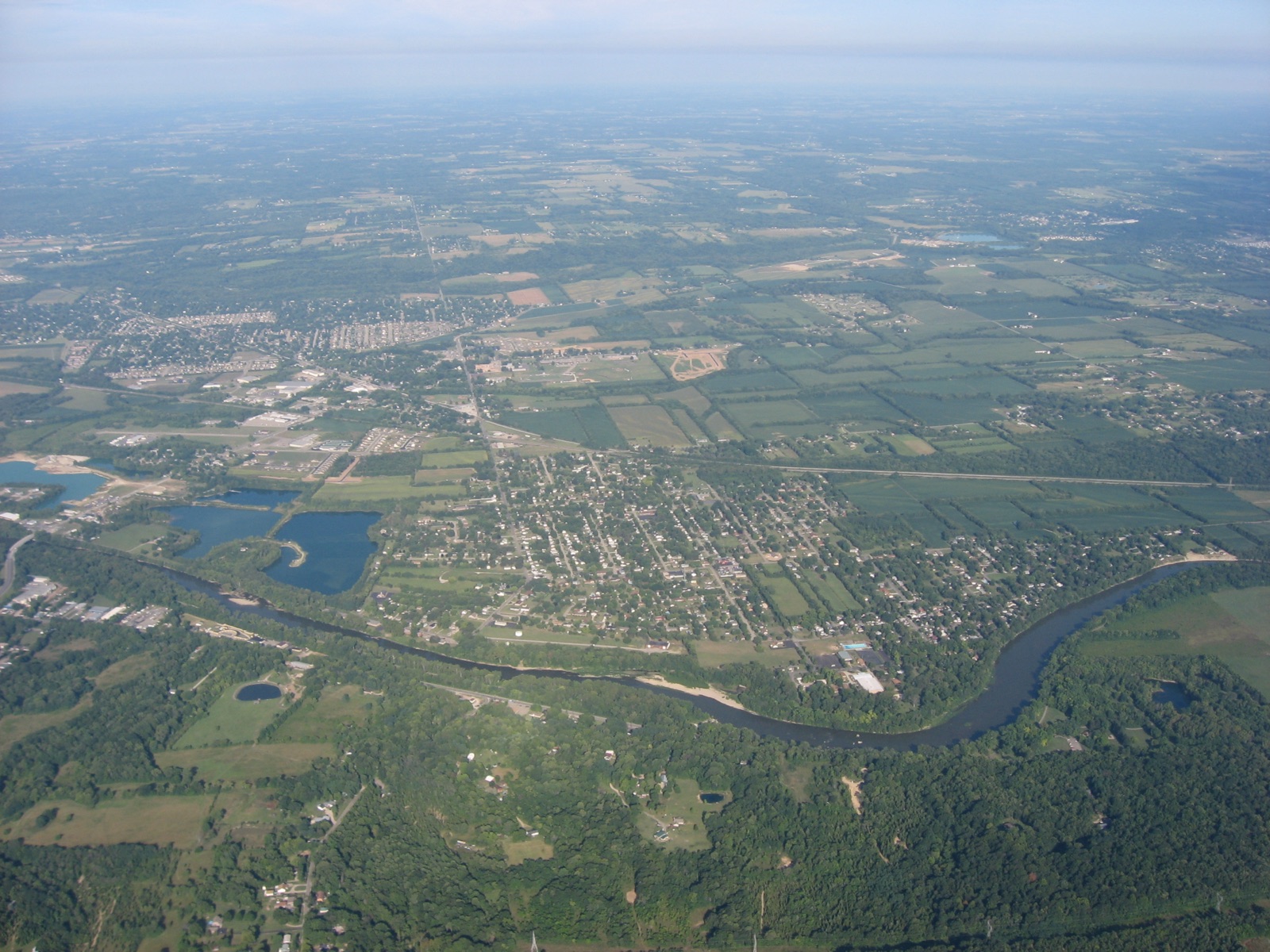
A river, a camp, and 120+ years
Milestones along the way — drawn from the camp’s own history and local records.
Ohio’s first Chautauqua
The Miami Valley Chautauqua holds its first public gathering on a hot July evening at the Franklin fairgrounds — the first organization of its kind in Ohio.
A permanent home on the river
The Association opens its new grounds on July 26, on the former VanDeveer Farm — over 300 acres with two miles of frontage on the Great Miami River, a grand dining hall, and an open-air auditorium seating 5,000.
On the map
The U.S. Post Office grants Chautauqua its own summer post office — a sign of how large the summer assemblies had grown.
A stage for the nation
Rival candidates for Ohio governor, James M. Cox and Frank B. Willis, square off in a joint debate. A record crowd of 18,000 once gathered to hear missionary Helen Stone.
Eleanor Roosevelt visits
On July 14, First Lady Eleanor Roosevelt addresses the crowds — a high-water mark of enthusiasm for Chautauqua across the Miami Valley.
On the air
Chautauqua partners with WLW-Cincinnati to broadcast Sunday programs nationwide — drawing thousands and its biggest season yet.
A new chapter begins
Baptist Bible Fellowship churches from Ohio, Indiana, Michigan, and Kentucky begin bringing their young people for week-long summer youth camps.
The Grand Ole Opry years
Country music comes to the river: Dolly Parton, Loretta Lynn, George Jones, Tammy Wynette, Porter Wagoner, and Hank Williams Jr. all take the Chautauqua stage.
A camp is born
The Michigan churches of the Baptist Bible Fellowship purchase the grounds, and Chautauqua becomes a dedicated Christian camp and retreat — a place set apart for young people.
Changed lives, still
In the decades since, thousands of campers have left with changed lives — many going on to serve as missionaries, pastors, and leaders. The gathering continues, summer after summer, on the same bend in the river.
From the camp archives
Chautauqua’s own records include more than a hundred historical photographs — and a dozen panoramic portraits of campers from the 1960s and ’70s. A history page is the perfect place to bring them out of the box.
📨 Camp leadership: this is where your historical photos would live — send them over and we’ll bring this section to life.
They all came to the river
Over its history, Chautauqua hosted some of the most well-known voices in America.
…and many others, across more than a century of summers.
You’re part of this story
Were you here for a summer of camp, a retreat, or a Sunday by the river? Your memory is part of Chautauqua’s history — and we’d love to add it.